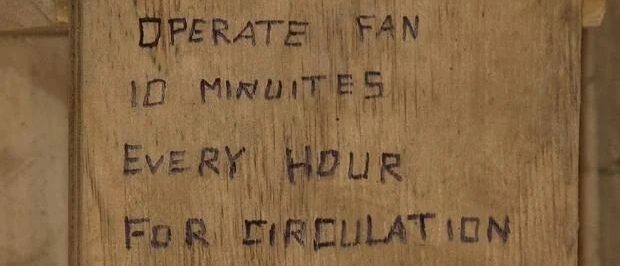
In 2002, New Zealand Police disrupted what became known as the bunker kidnap plot. Two men built a concealed underground space in Upper Hutt and planned to abduct a Wellington executive for ransom. They were arrested before they could act and later convicted of conspiracy and firearm offences. I was serving in Police at the time and remember how unusual it felt. Rare, yes, but real.
What has changed since then is not our capacity to respond but the environment leaders now operate in. Modern executives leave vast digital footprints. Public profiles, media appearances, geotagged posts, and company disclosures form an open map of routines and relationships. That accessibility lowers the cost of hostile research and shortens the time between grievance and targeting.
International data confirms the trend. TorchStone Global’s Executive Protection Report tracks dozens of incidents each month, stalking, harassment, doxxing, home-address threats, opportunistic crime, and physical assault. Motives vary, disaffected customers, disgruntled staff, ideological hostility, or opportunism, but the pattern is constant: senior figures draw attention, and attention attracts risk.
The issue extends well beyond personal safety. When a key leader is targeted, governance and continuity come under pressure. Disruption to decision-making, accelerated rumour cycles, and reputational damage can all stem from a single event.
Executive protection is not about bodyguards or higher walls. It is about foresight and proportionality, reducing exposure without restricting a leader’s ability to operate confidently.
From my experience, an effective programme should focus on fundamentals that reduce risk without overcomplicating operations:
• Exposure mapping: Audit digital footprints. Remove unnecessary personal detail, tighten privacy settings, and align communications with security needs.
• Intelligence-led planning: Monitor open sources for grievance signals tied to brand activity or organisational change, and adjust posture accordingly.
• Travel security: Apply light-touch planning routes, arrival protocols, liaison to minimise disruption while maintaining assurance.
• Home and family assurance: Balance routine and discretion. Confidence beats conspicuity.
• Incident playbooks: Define escalation points and decision rights. Practice them; confusion costs time.
• Aftercare and continuity: Support the individual and stabilise the organisation quickly after any incident.
Executives face greater targeting than many realise. The answer is not fear, it is readiness. The bunker case was rare for its time, but it proved something vital: targeted crime can be planned here, and plans can mature unseen. Today’s risk surface is broader and faster, our response must be smarter and earlier.
Treat executive protection as part of governance. Done well, it safeguards people, preserves decision-making, and sustains organisational performance.
By Owen Loeffellechner
Link to Original Article

The Foresight Blind Spot