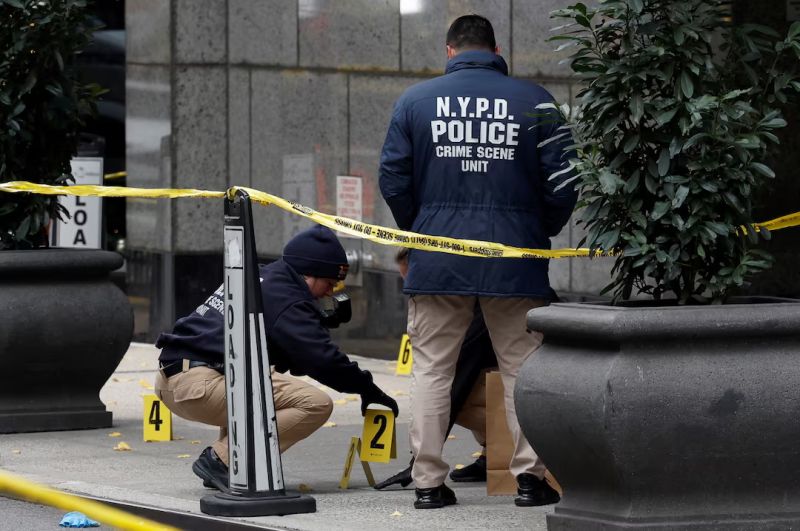
In 2024, U.S. insurance executive Brian Thompson was shot and killed in the street while walking to a meeting in downtown Minneapolis.
He was alone. His wife later told investigators he had received multiple threats in the weeks before his death.
This is becoming a pattern. Across sectors, leaders with public profiles are now facing levels of hostility previously unseen for private executives. Decisions once confined to the boardroom are now played out in public, amplified by social media outrage and economic frustration.
As one U.S. security expert observed after Thompson’s death, his phone “rang off the wall” with CEOs now facing daily threats, not because of ideology, but because someone’s groceries cost too much. The lines between public anger and personal blame have blurred.
Yet many executives still operate as though the threat is theoretical. They overestimate how visible, prepared, or capable their existing measures really are. Some decline protection altogether, believing it sends the wrong message or that danger “won’t reach them.” That’s a fatal assumption.
Wealth and influence do not deter violence, in today’s environment, they attract it. The more polarising the profile, the greater the need for trained protection and disciplined routines. Security isn’t about living in fear, it’s about acknowledging reality before it confronts you.
A personal security detail is not a luxury. It’s a layer of risk management for anyone whose decisions, visibility, or symbolism make them a target. But not all details are equal. The difference between a body in a uniform and a professional protection team is measured in seconds, decisions, and lives saved.
Modern threats evolve faster than reputations. If you wait until the attack to evaluate readiness, you’re already exposed. Thompson’s death wasn’t inevitable. It was the end point of a chain of choices, a growing complacency towards danger, a lack of apparent response, and finally, the moment when preparedness could no longer be deferred.
Profile invites risk.
Preparation decides the outcome.
By Henry Tofilau
Link to Original Article

Risk Is Rising. Leaders Must Prepare or Pay the Price.