New Zealand’s ports face pressure they are not built to absorb. “Customs data released to 1News shows security breaches at several of the country’s ports, including broken perimeter fences, unauthorised entry into container and cruise ship terminals, and even small boats infiltrating ports by sea” (1). These pressures will grow.
The scale of the challenge is growing fast. The Ministerial Advisory Group’s 2025 report on Ministerial Advisory Group on Transnational, Serious and Organised Crime (2) shows methamphetamine consumption in New Zealand has surged from around 10kg per week in 2021 to more than 35kg per week in 2024. That tripling of demand fuels relentless importation pressure and makes ports prime targets for organised criminal groups.
Access has drifted
Too many people move through ports without strict checks. Old permits stay active. Contractors cross zones freely. Criminal groups watch these gaps then step through them.
Internal integrity sits on trust
Trusted insiders pose the greatest exposure. Some workers are placed inside ports to pass information or facilitate retrieval. This demands deeper scrutiny before hiring and steady oversight after.
Responsibilities are unclear
Maritime New Zealand, NZ Customs and port operators each hold part of the picture. No one owns the full view. Organised crime thrives in those gaps.
My work across maritime, border and strategic environments taught me one lesson. You protect complex systems by tightening routine, raising standards and giving people clear ownership that is holistic and integrated.
Lift the bar for entry
Run deeper background checks. Recheck current staff with the same standard. High-access roles need high trust built on evidence.
Rebuild access control
Match every access right to a task. Remove privileges that sit outside the role. Treat access as a privilege earned each day.
Watch behaviour, not only paperwork
Train supervisors to spot small shifts. Look for unusual contacts or unexplained wealth. These patterns surface early.
Unify information flow
Bring key agencies into one picture. Share movements and alerts quickly. Break the gaps criminals hide in.
Strengthen the perimeter with intelligence
Use patrols, cameras and lighting in a targeted way. Focus on high-risk points where offenders study routine. Change patterns often.
Support staff who speak up
Build a culture where concerns move fast. Reward early reporting. Criminal groups target silence.
Ports determine the health of our borders. When they weaken, the entire system absorbs the cost. If we place behaviour, access and information under firm control, organised groups lose their advantage. That is the outcome we should aim for.
By Shaun Fogarty MNZM

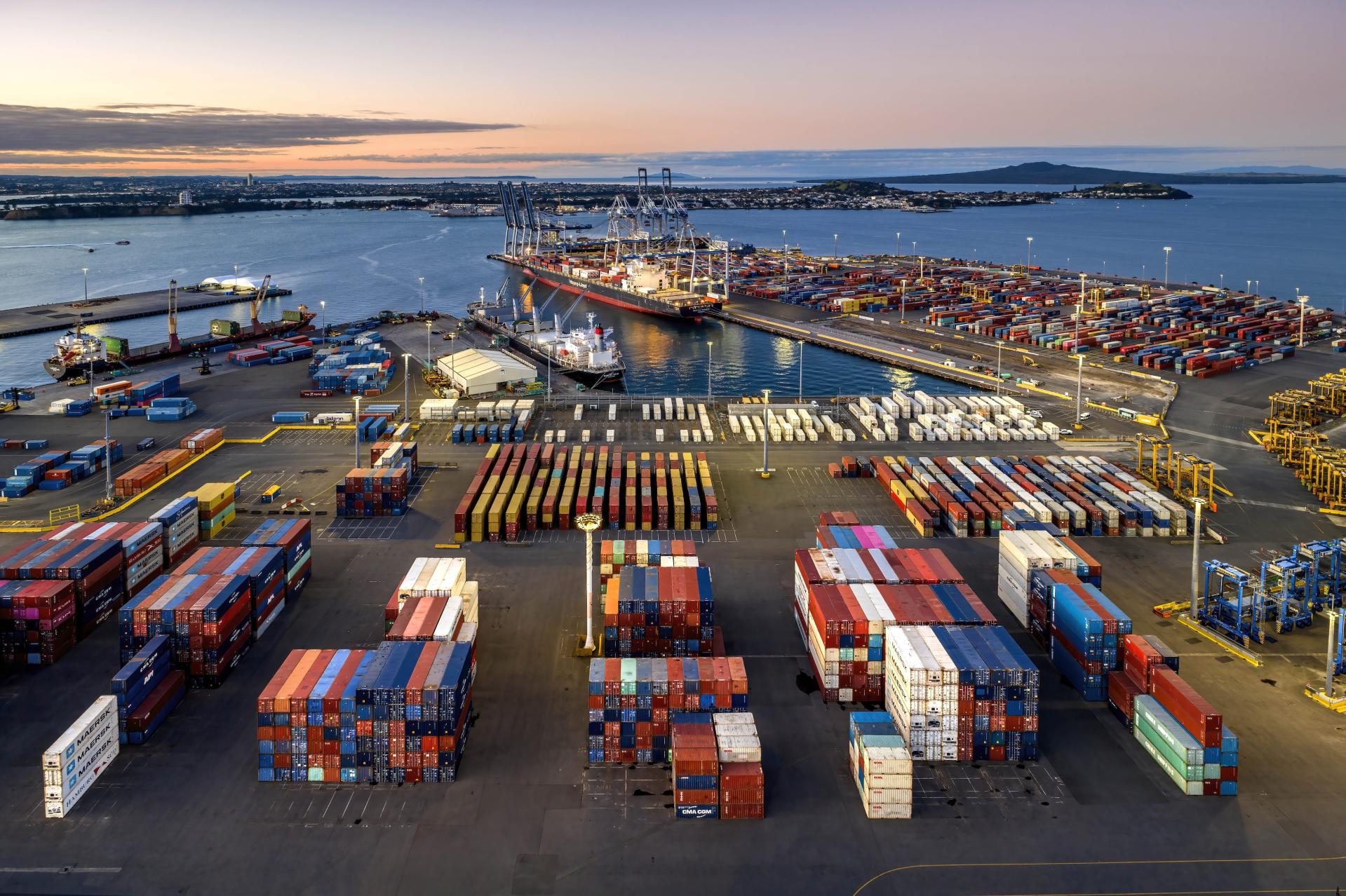
New Zealand’s Ports Face Pressure they are not Built to Absorb.