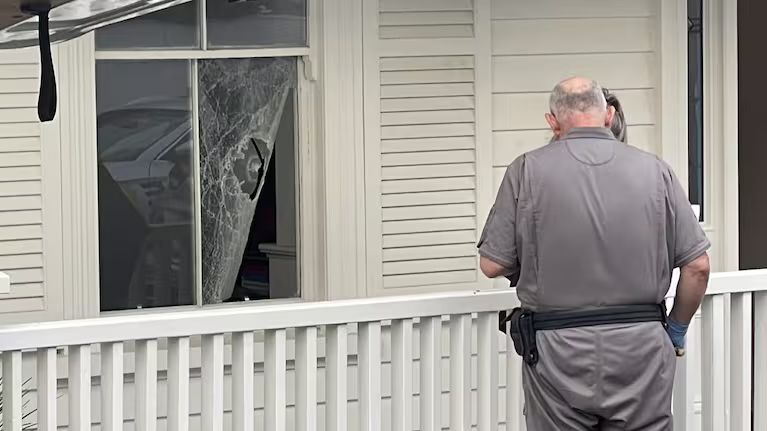
The attack on Winston Peters’ home wasn’t just vandalism, it was a warning shot. For decades, we’ve told ourselves that serious unrest or targeted violence “doesn’t happen here.” That belief is no longer true.
Our systems of protection were built for a different era one where respect for authority, limited digital reach, and civic restraint were the norm. Those conditions are gone.
Once, disagreement stayed within civic boundaries such as debate, protest, and dialogue. Now, segments of the public increasingly view intimidation or violence as a legitimate form of political expression.
That shift is driven by three forces:
Emotional radicalisation – Social media rewards outrage, pushing people toward identity-based extremes where moral justification replaces moral restraint.
Erosion of authority – Declining trust in institutions makes defiance feel righteous rather than unlawful.
Absence of consequence – When threats or low-level aggression are excused as passion, they embolden escalation.
At the same time, the emotional climate has changed. Public discourse now rewards outrage more than reason. Political rhetoric values performance over persuasion, and people begin to see fury as legitimacy and personal attack as activism.
The result is a volatile environment: a challenged system of protection combined with heightened public emotion. The threshold for aggression has lowered. Isolated acts of protest are more likely to escalate into symbolic or physical violence, as we saw outside Peters’ home.
The attack on Peters’ home crosses every line of acceptable civic behaviour. It’s not protest, it’s personal aggression disguised as activism. And it’s a sign of what’s to come.
New Zealand is no longer insulated from the volatility we see overseas. The illusion of safety has shattered. The question is: will we act before the next line is crossed?
By Andrew Sissons

New Zealand’s Illusion of Safety is Gone.