“And they shattered Sydney’s innocence. We hoped and believed this could never happen here. It did.”
Violence rarely announces itself clearly. It enters through disruption, not spectacle. Someone moves against the flow. Behaviour does not fit the setting. The atmosphere shifts before the facts do. Most people notice this moment. The problem is what happens next.
People are deeply socialised not to react. From an early age, we are taught not to overreact, not to cause a scene, not to embarrass ourselves or others. We are rewarded for composure and punished socially for being wrong.
That conditioning is powerful. It teaches people to override instinct with logic and to wait for confirmation from the group.
We teach people simple guidance for moments of real danger. Run. Hide. Tell.
Not to confront a threat, but to create distance, reduce exposure, and raise the alarm early.
Yet social conditioning often pushes in the opposite direction. Pause. Rationalise. Wait.
People hesitate because they fear being wrong or disruptive. By the time certainty arrives, the moment to act has often passed.
At Bondi, several people broke that pattern. They recognised that something felt wrong even before they could fully articulate why. They did not wait for social permission. They trusted their judgement and acted early. They moved people away from danger and drew attention to the threat. Those decisions created space, time, and opportunity for others to escape. Their actions saved lives.
This is where preparedness actually lives. It does not live in plans stored on servers or policies written for audits. It lives in human judgement under uncertainty, especially the willingness to act early and alert others despite social friction.
Organisations often focus on barriers, controls, and response times. Those measures matter, but they are reactive by design. By the time formal response activates, the most important window has often closed. The first line of defence is awareness. The second is permission to act, even when it feels uncomfortable.
Security fails when routine dulls attention. It fails when people fear looking foolish. Comfort becomes the blind spot.
Preparedness is not about expecting heroics. It is about undoing social conditioning. It is about reinforcing that early action means moving away, seeking safety, and telling others. It is about defining what normal looks like in an environment and naming what breaks it.
Leadership shapes whether this happens again. Culture teaches people how to respond long before a crisis arrives. If raising concern feels awkward, people stay silent.
What is the conditioned response in your workplace when something feels wrong?
The lesson from Bondi is uncomfortable and necessary. Define what normal looks like in your environments. Talk openly about behaviour that does not fit. Train people to trust their judgement and act early. Do not wait for certainty when early action could save lives.
Link to original article
Photo: Janie Barrett

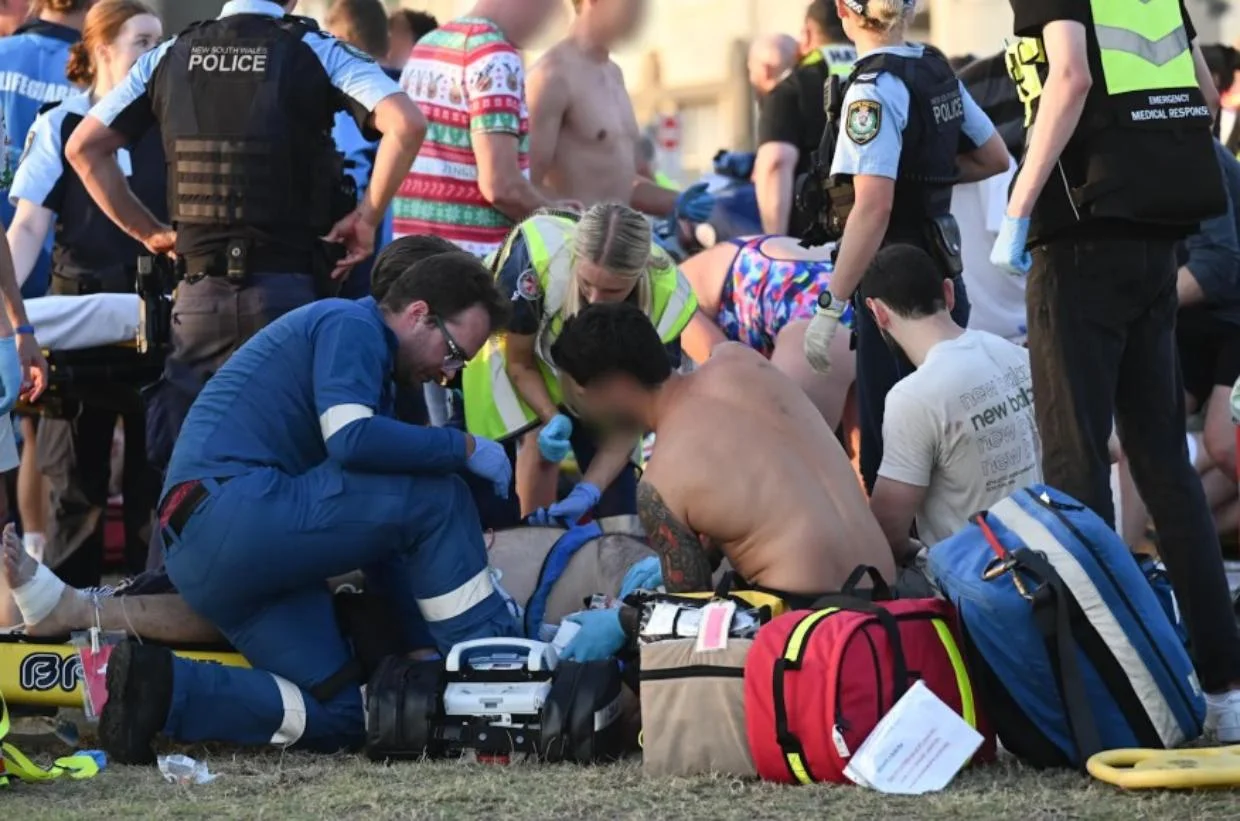
And they shattered Sydney’s innocence.