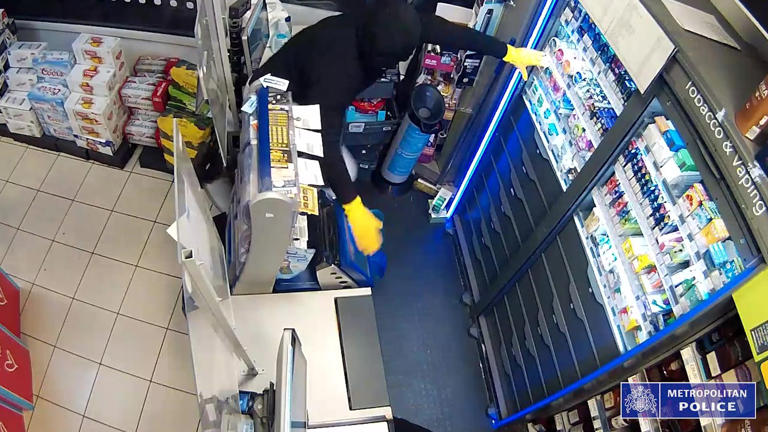
Theft has moved from petty to professional. During a recent raid in the UK Police uncovered one shoplifting gang filled a secret room full of £50,000-worth of games consoles at another address officers found £70,000 in case and a number of luxury watches. Similar crews target alcohol, cosmetics, power tools and razor blades because they move fast on resale channels. These groups work with runners, spotters and handlers. Offenders move high-value goods through fast resale networks. They store goods off site and use online marketplaces for conversion into clean profit. Loss is no longer a few missing units. It is calculated extraction.
Retailers need tools to deter, to make items traceable, that narrow searches, and build strong cases. The defence has to be layered, fast, and provable. Forensic marking, vision AI, license plate and facial recognition along with rapid denial tools (devices that instantly remove the thief’s ability to operate) are flipping the script.
SelectaDNA is the proof point. In Operation Zoridon, retailers tagged 5,000+ high‑risk items with store‑specific codes. The synthetic DNA liquid dried clear on food, alcohol and small electronics; Police and dogs detected the signature in minutes, not hours. Result: 100+ raids, dozens of arrests, nine closures of offending resellers and stock worth hundreds of thousands traced cleanly back to source. The item became the evidence. Similarly, the use of SelectaDNA Spray, where an offender leaves the premises with DNA on them, placing them squarely at the crime scene, is a huge deterrent on the criminal risk vs reward scale.
This shift sits inside a broader evolution. Retailers now use layered systems that work together. CCTV with analytics track movement patterns. Licence plate recognition shows repeat visits and getaway vehicles. Access control records who enters each zone and when. Fog cannons break the smash-and-grab cycle. Forensic Marking provides irrefutable evidence. Secure storage reduces high-value exposure. Each step cuts loss and raises risk for handlers while improving recovery rates.
No single tool solves organised retail crime. Success comes from stacking systems that reinforce each other. Forensic marking systems raise evidential strength. Vision AI sharpens detection. license plate recognition exposes patterns. Rapid-denial devices break the speed offenders rely on. Secure storage limits opportunity. Each layer covers a gap in another.
This is the next generation of loss prevention. Not point solutions and not one-off deterrents. Integrated tools that close the space, shorten response and turn stolen goods into evidence that stands up. Retailers who treat loss as a systems problem, not an isolated event, create a lift in deterrence, recovery and disruption.
By David Morrissey
Link to Original Article

The New Stack for Retail Loss Prevention