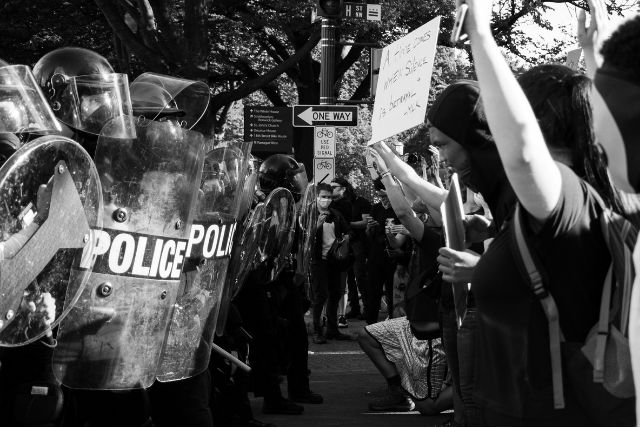
Imagine this: A peaceful protest erupts in a major city. Within hours, it spreads across regions and borders, fueled by social media. Misinformation floods the channels, law enforcement is overwhelmed, and high-profile leaders become targets, not just of criticism, but of coordinated action. This isn’t hypothetical. It’s the new reality of social unrest.
Social unrest is no longer a local issue. It’s a global threat multiplier, capable of disrupting mobility, communications and personal safety in ways most leaders fail to anticipate. Treating it as ‘someone else’s problem’ is no longer an option.
For high-profile individuals and organisations, unrest magnifies exposure in three ways:
Depleted State Resources: During unrest, law enforcement and emergency services are overwhelmed, leaving leaders and families exposed to slower response times and reduced protection.
Exploitable Patterns: Public schedules, digital footprints, and predictable routines become vulnerabilities, especially when opportunists exploit the chaos.
Misinformation Chaos: False reports spread faster than facts, creating confusion and paralysing decision-making when speed is critical.
The leaders who succeed in volatile times are those who prepare before the storm hits. Those who build resilience into their operations, clear protocols, decentralised decision rights and pre-established communication hierarchies, are better positioned to maintain control when uncertainty spikes.
Social unrest isn’t confined to distant streets, it’s a global dynamic that can find you anywhere. The smart leader doesn’t wait for volatility to knock on their door. They act now, building resilience into their operations and anticipating disruption before it strikes. Ask yourself if you or our organisation are ready?
By Shaun Fogarty
Link to Original Article

Social Unrest: The Overlooked Threat Multiplier